Vetlit Animal Clinic
About
Vetlit Animal Clinic is a Uganda-based veterinary practice that combines a physical animal clinic with mobile veterinary services, allowing pet owners to receive professional care either at the clinic or in their own homes. The practice was established to reduce the stress and inconvenience of transporting animals for treatment, while making veterinary care more accessible and affordable. Its work is guided by the principles of animal welfare, particularly the “Five Freedoms,” which promote freedom from hunger, pain, disease, fear, discomfort, and the ability to express natural behavior. The clinic provides a wide range of services, including health examinations, vaccinations, disease diagnosis and treatment, deworming, routine and emergency care, as well as minor and major surgeries. Its clinic supports advanced diagnostics, surgical procedures, and follow-up care for cases that cannot be managed during home visits. Vetlit primarily serves companion animals, especially dogs and cats, and aims to improve their health and quality of life through evidence-based veterinary medicine and compassionate care. It operates mainly in Kampala, Wakiso, and surrounding areas, bringing veterinary services directly to homes while also welcoming clients to its clinic in Namugongo, Wakiso. Through this approach, Vetlit supports pet-owning families and communities by improving access to reliable, ethical, and professional animal healthcare.
Focus & Animals
Focus Areas
Animals Worked With
Programs & Services
- Health Examinations Routine physical examinations help assess an animal's overall health, detect diseases early, and establish a baseline for future care. This service is available for companion animals, including dogs, cats, birds, and other pets.
- Vaccination Program provides preventive vaccinations against diseases such as rabies, parvovirus, distemper, and canine hepatitis, helping protect pets from infectious illnesses. It serves puppies, kittens, and adult companion animals.
- Deworming Services Regular deworming helps prevent and treat internal parasites that affect animal health. The service is offered for domestic pets and some farm animals.
- Disease Treatment and Management The clinic diagnoses, treats, and manages a wide range of medical conditions through examinations, diagnostic testing, and personalized treatment plans. It serves pets requiring , emergency, routine or ongoing medical care.
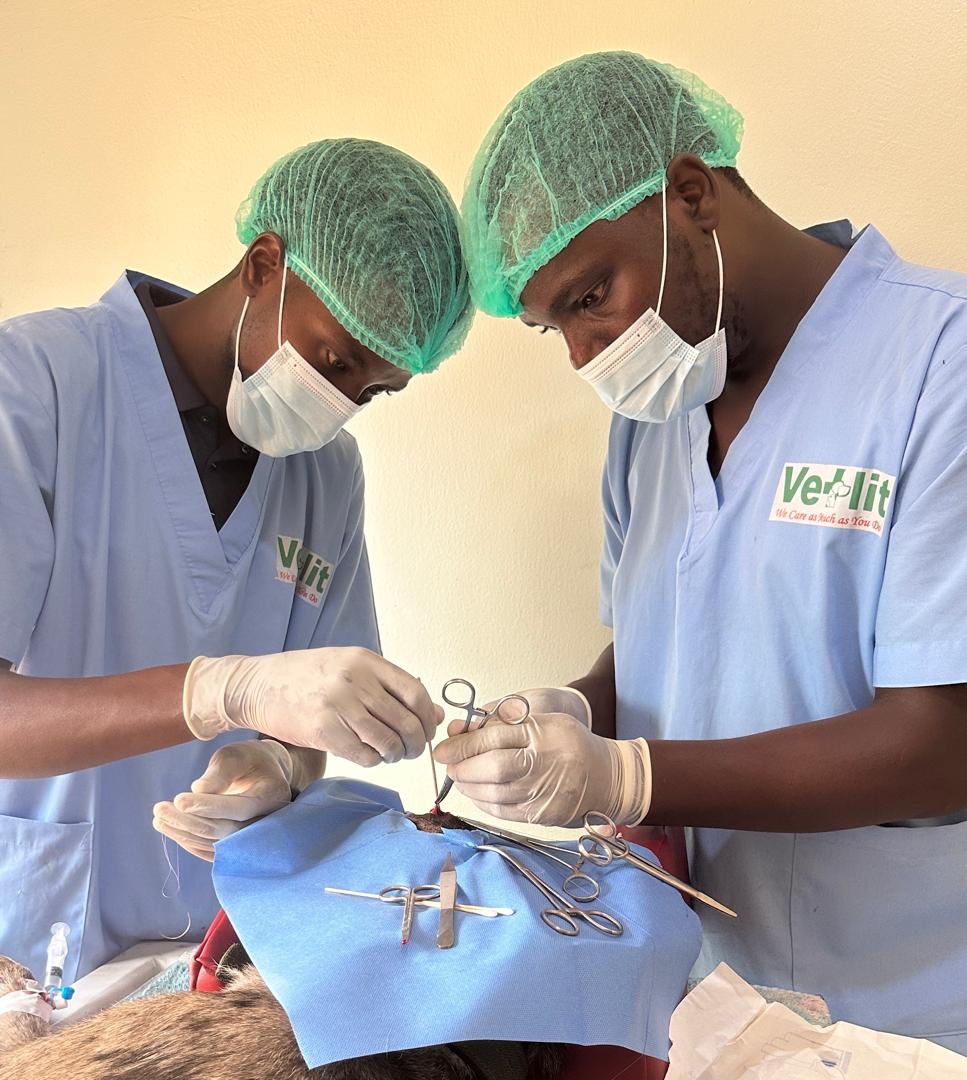
- Surgical Services Vetlit animal clinic performs both elective procedures (such as spaying and neutering) and emergency surgeries. Minor procedures may be carried out during mobile visits, while complex surgeries are performed at the clinic.
- Animal Clinic Services The physical clinic provides advanced diagnostics, hospitalization, intensive care, rehabilitation, and follow-up treatment for animals needing specialized care beyond what can be provided in the field.
- Mobile Veterinary Services This service brings veterinary care directly to clients' homes in Kampala, Wakiso, and surrounding areas. It serves pet owners who prefer convenient, low-stress care for animals that may not travel well.
- Emergency Veterinary Care The clinic offers emergency assessment and treatment during business hours, with the ability to transfer patients from mobile care to the clinic when intensive intervention is required.
Community Education
Vetlit Animal Clinic conducts community education and outreach programs aimed at promoting responsible pet ownership, improving animal welfare, preventing disease, and increasing access to veterinary services. Our key activities include: Pet owner education on nutrition, vaccination, deworming, parasite control, and preventive healthcare. Community awareness campaigns on rabies, zoonotic diseases, and the One Health approach. Community vaccination, deworming, and animal health outreach clinics. School-based animal welfare and responsible pet ownership education. Home-based veterinary education through mobile veterinary services. Public awareness campaigns using social media and other digital platforms. Animal welfare advocacy and community engagement to promote humane treatment of animals.
Achievements & Partnerships
Achievements
- Vetlit Animal Clinic is among the top five best veterinary clinics in Uganda
- Featured in the " The Dog Scamming Kingpins - BBC Africa Eye Documentary"
- Delivery of high-quality veterinary care. Successfully diagnosed, treated, and managed . hundreds of companion animal cases, including complex medical and surgical conditions.
Gallery